Easy and Simple Css Grid Fr Tutorials
The following examples include an image of how the example should look in a supporting browser, they each link to a page with more information about the technique being shown, code and a CodePen of the example. Unless otherwise noted these examples work in any browser supporting the up to date Grid Specification. They will not work in IE10 or 11.
For page layout examples see a collection of page layouts here.
Defining a Grid
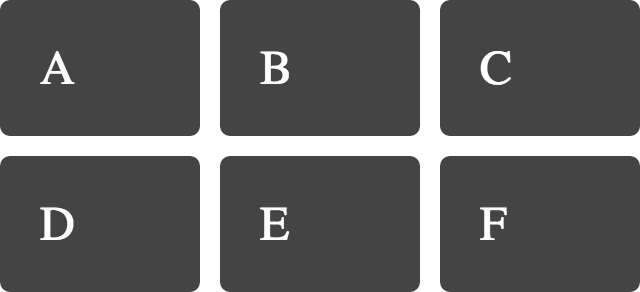
To define a grid use new values of the display property `grid` or `inline-grid`. You can then create column and row tracks.
Line-based placement
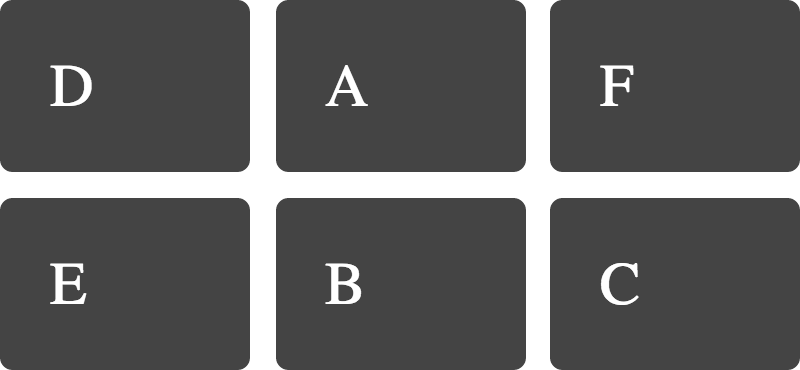
Positioning items on the grid using line numbers
Line-based placement shorthand - grid-row and grid-column
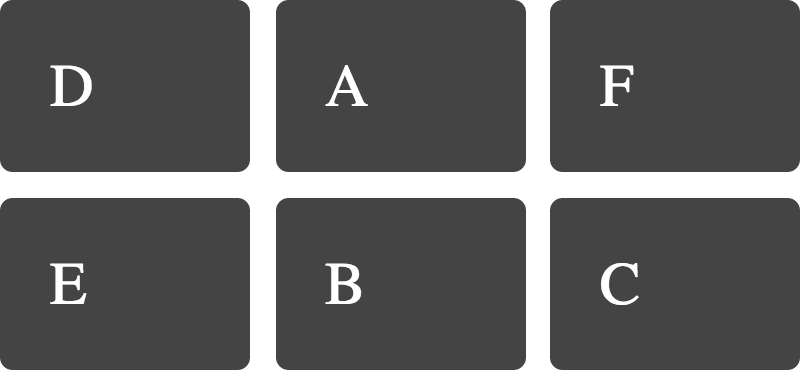
Positioning items on the grid using the shorthand properties.
Line-based placement shorthand - grid-area
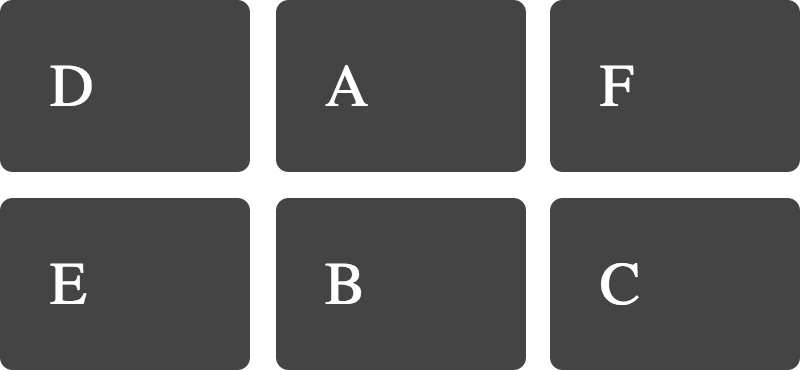
Positioning items on the grid using the shorthand properties.
Line-based placement spanning tracks
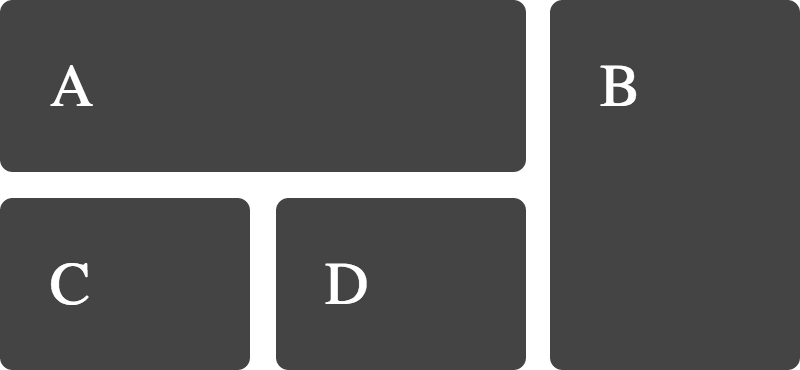
Positioning items which span more than one grid track.
Line-based placement spanning tracks with the span keyword
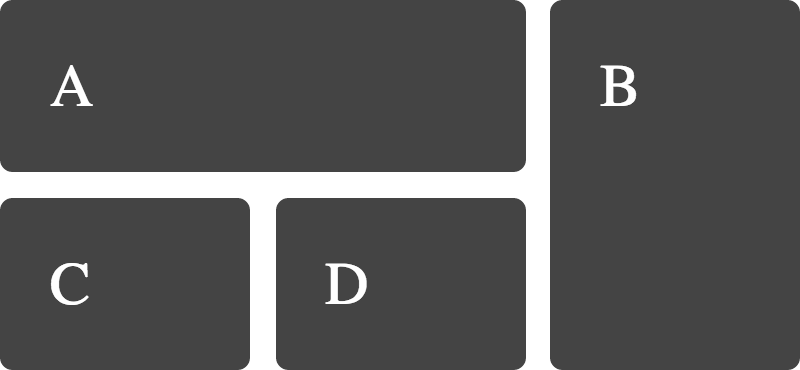
The span keyword gives us a way to span tracks without needing to specify start and end lines.
Line-based placement named lines
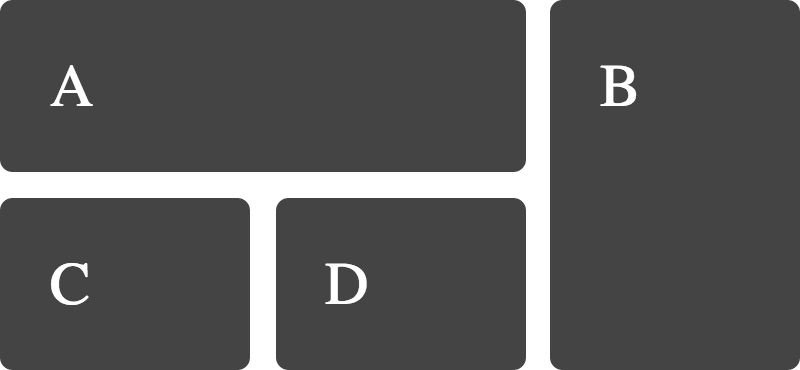
In addition to using line numbers we can name lines.
Line-based placement named lines with spans
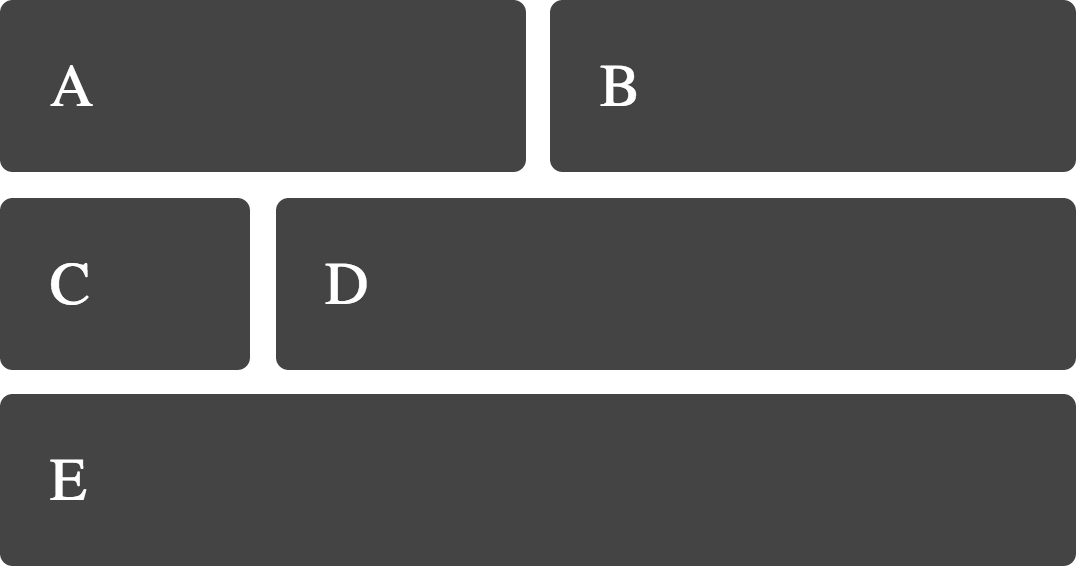
You can give lines the same name and then use the span keyword to target lines of a certain name.
Using repeat notation
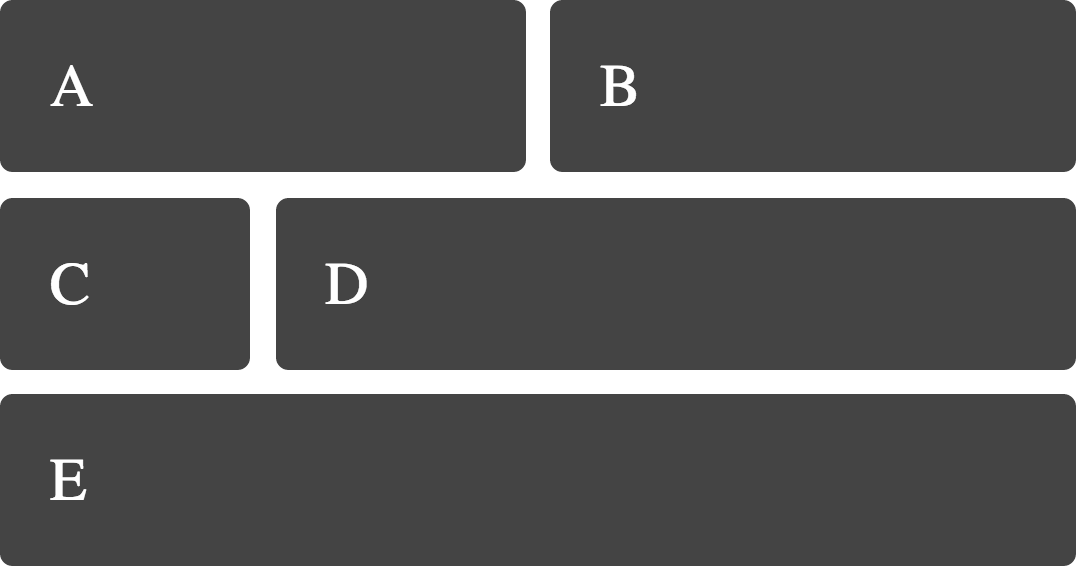
Save some time by describing repetitive track listings with repeat.
Explicit and Implicit Grid
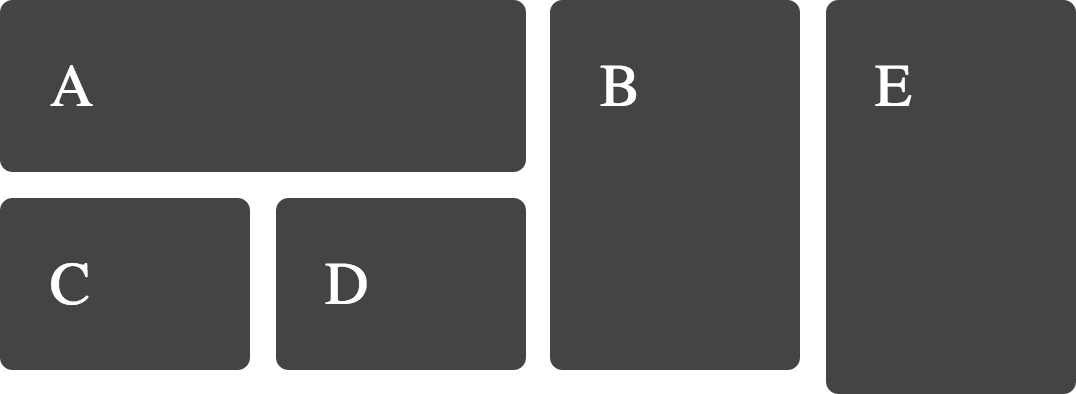
The explicit grid is defined by `grid-template-rows` and `grid-template-columns`.
Defining Grid Areas
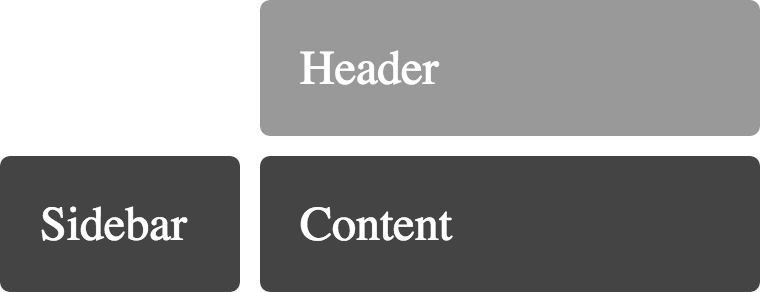
We can create named areas on the grid to put content into.
No clearing required
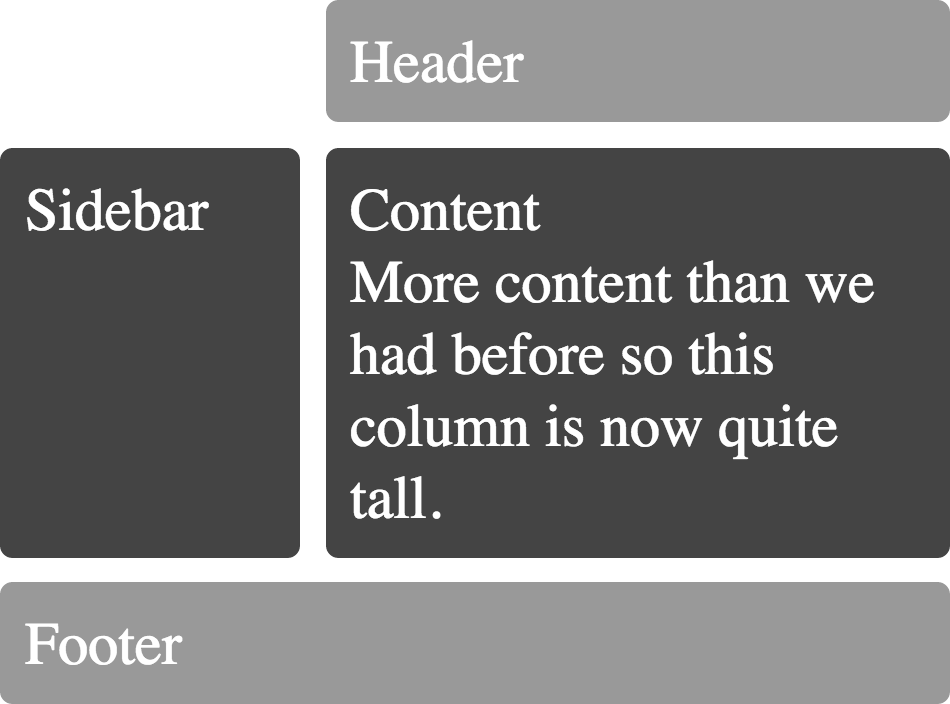
Items sit in their own rows on the grid therefore we do not need to clear them as with floats.
Redefining Grid Areas with Media Queries
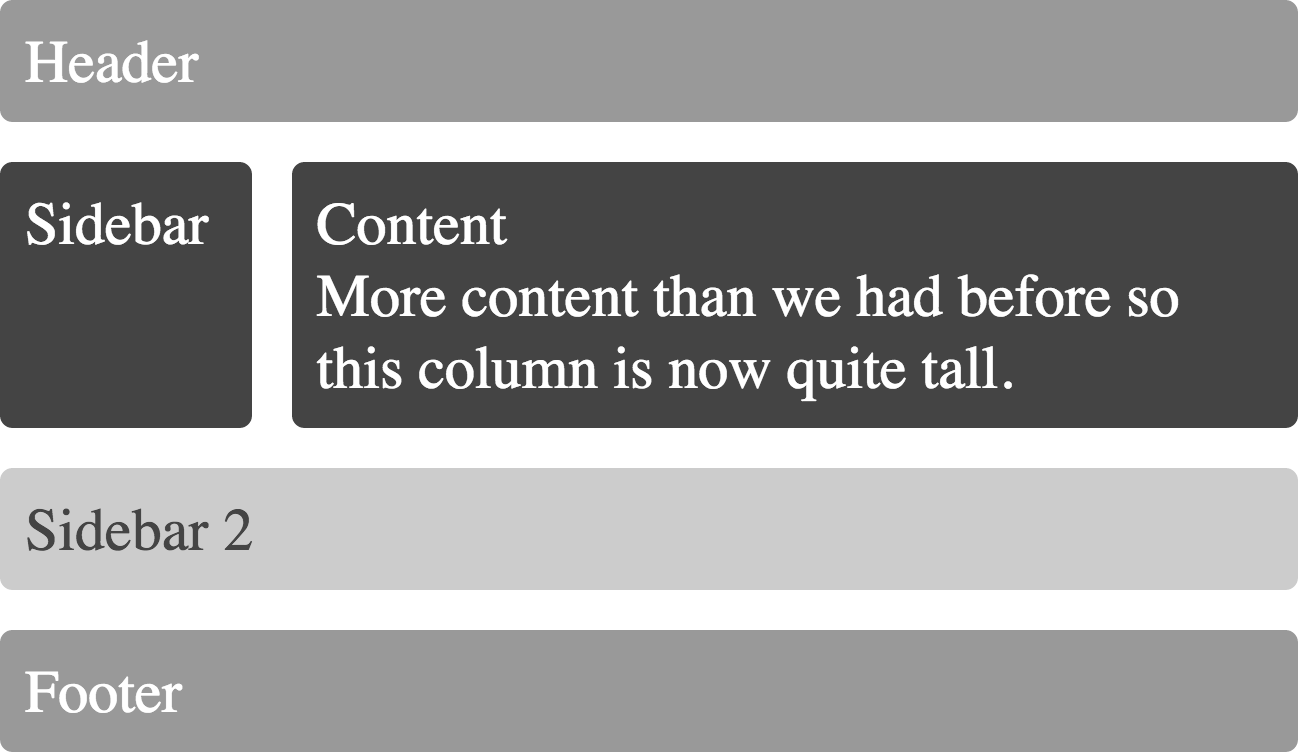
As our layout is defined in CSS we can redefine the grid using media queries
Source Independence
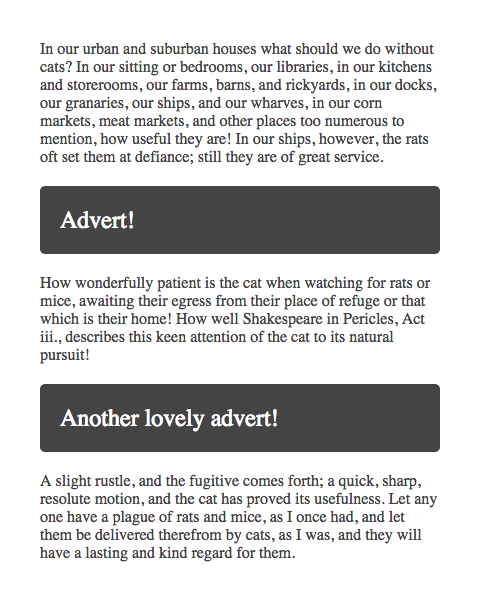
Placement of items on the grid can be separate to their order in the source
Layering items
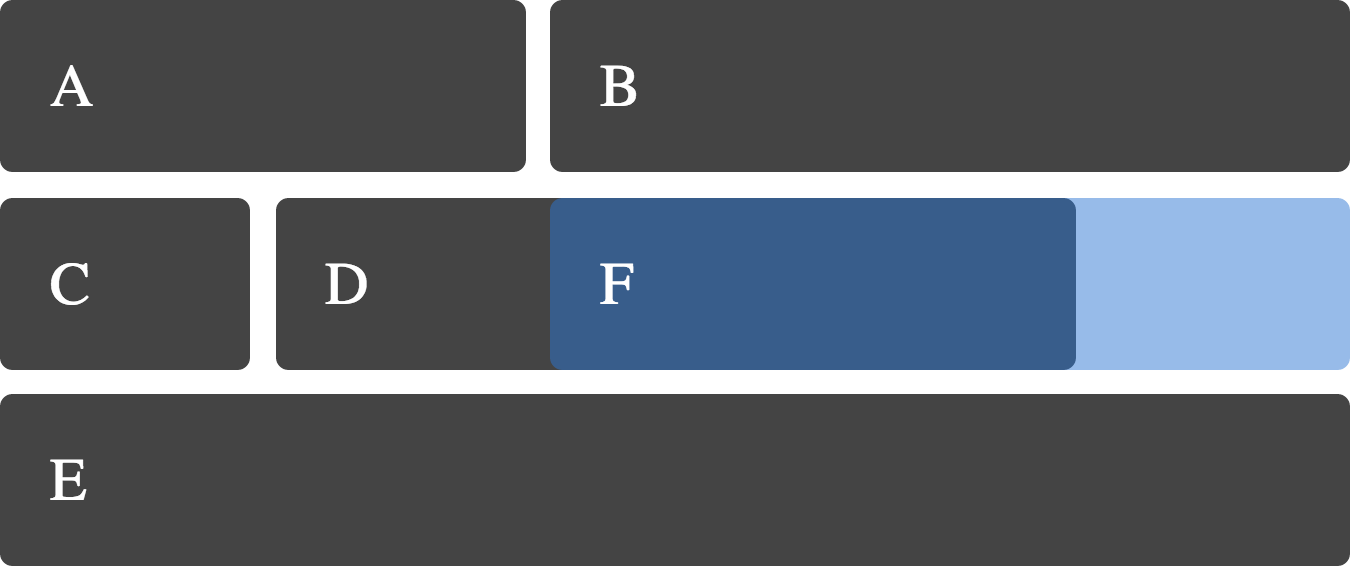
Items can be stacked, and the stacking order controlled with z-index
A grid item as a new positioning context
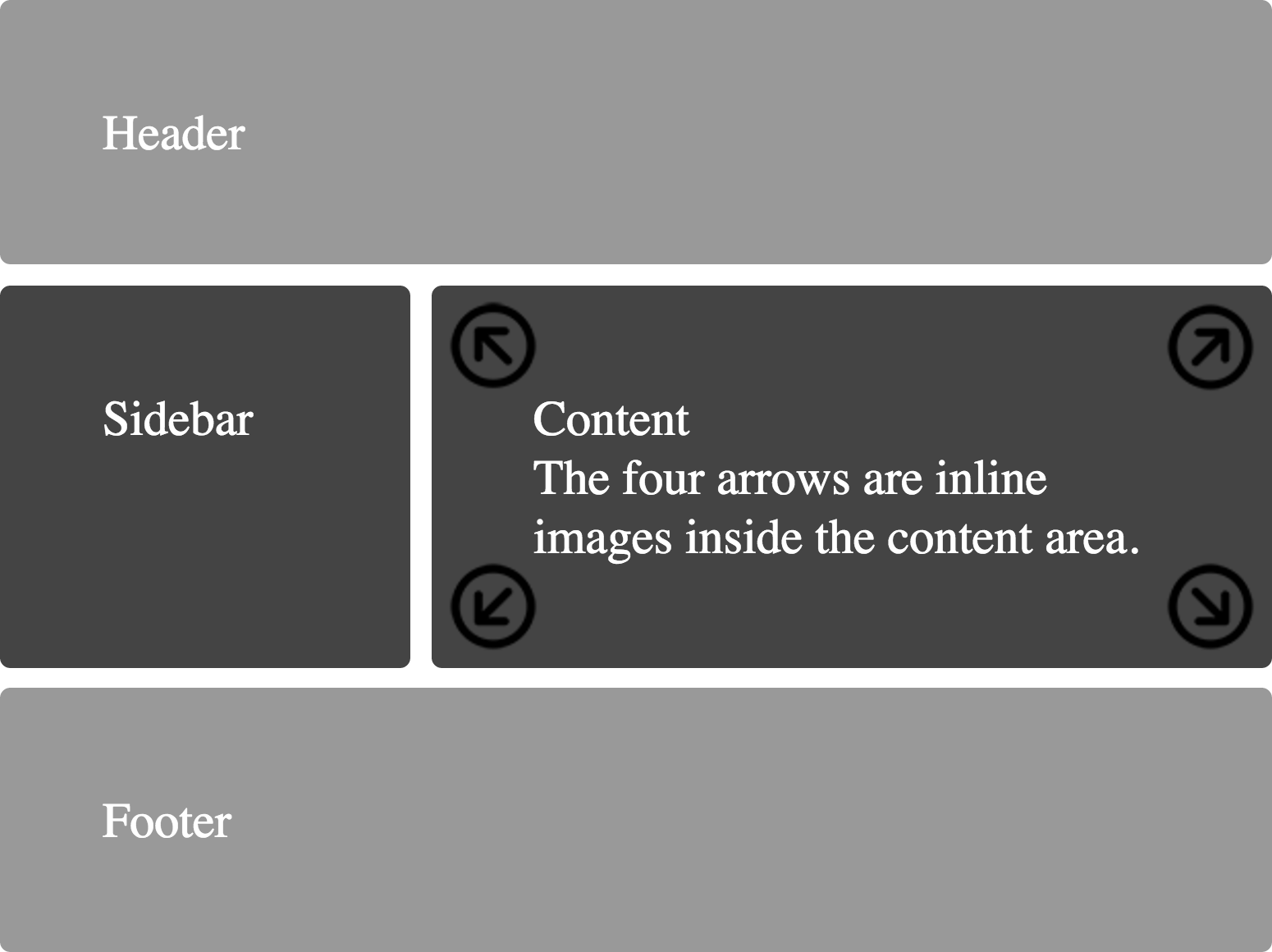
You can absolutely position items inside an area of the Grid.
Grid auto-placement
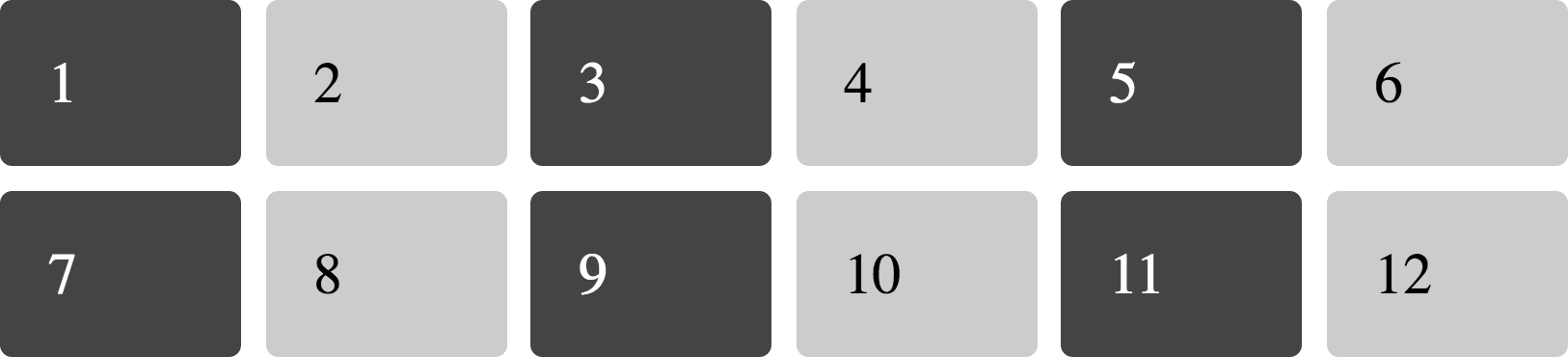
Grid will position grid items automatically on a grid created on the parent.
Grid auto-flow column
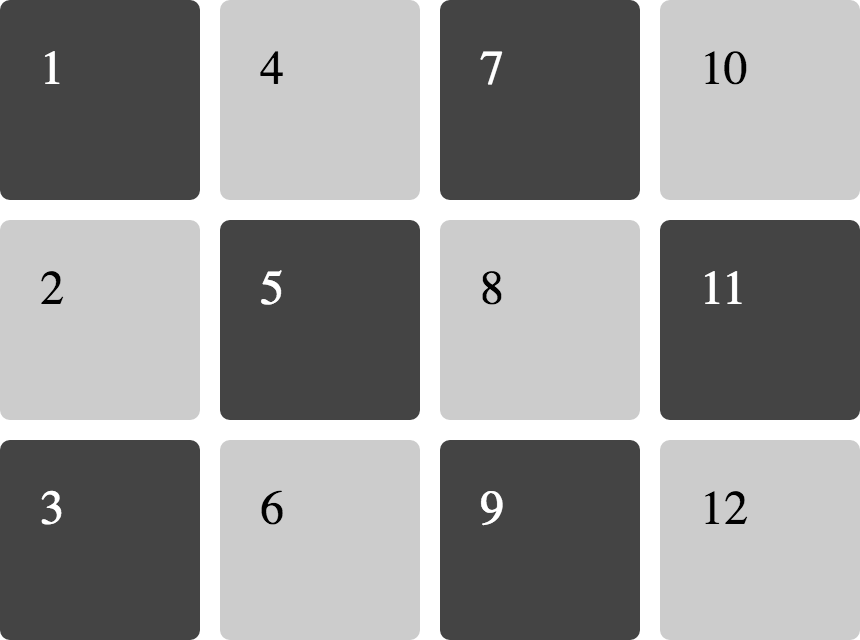
Items are placed in rows by default but you can specify to layout by column.
Grid auto-placement mixed with placed items
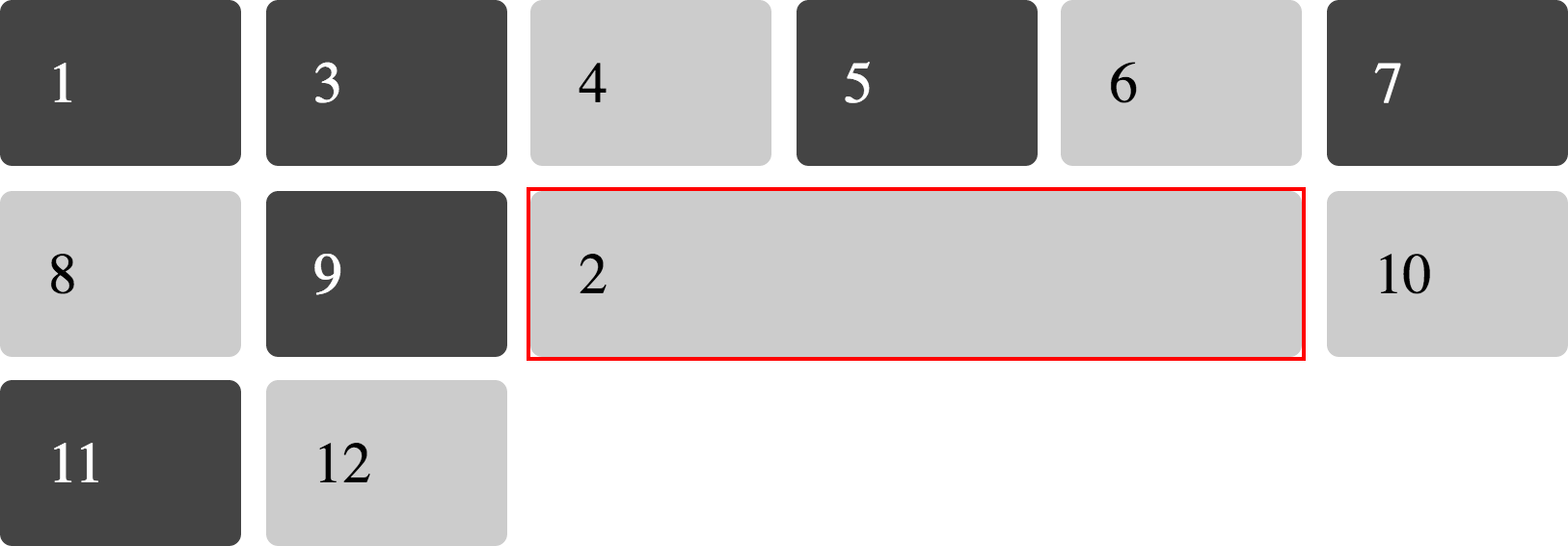
You can mix auto-placed items with those you give a position to
The auto-fill keyword in repeating track definitions
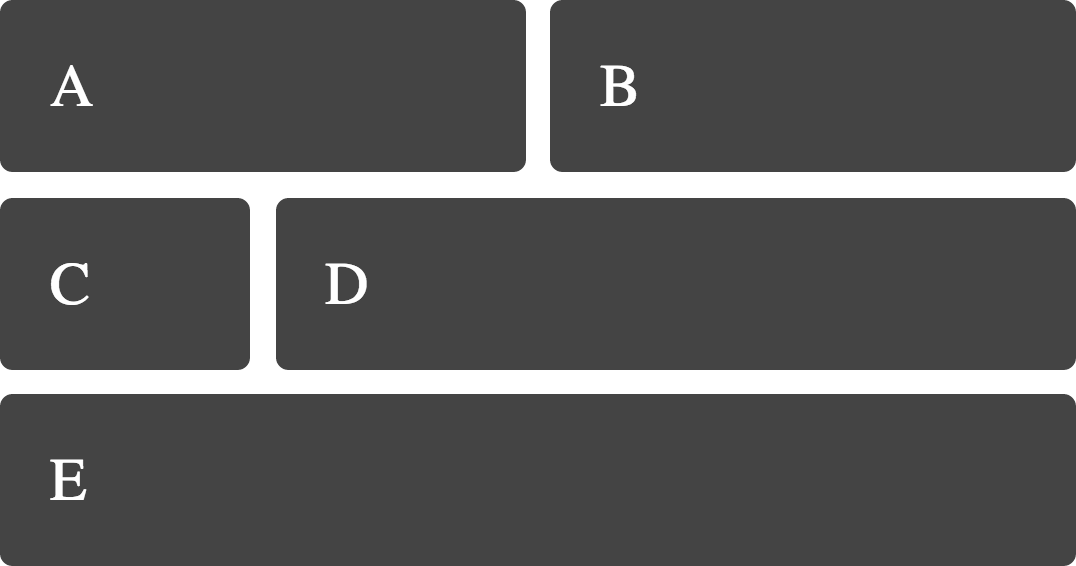
When using repeat notation you can use auto-fill rather than an integer to create as many tracks as will fill the container
Nested Grid
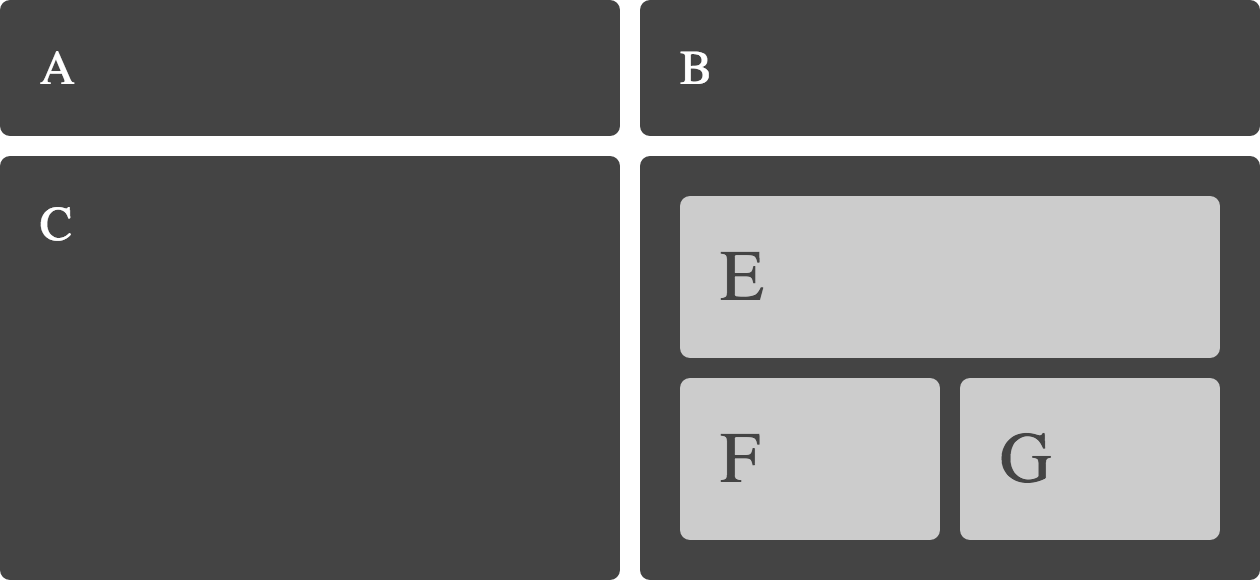
A grid item may become a grid container itself.
Implicit named grid lines
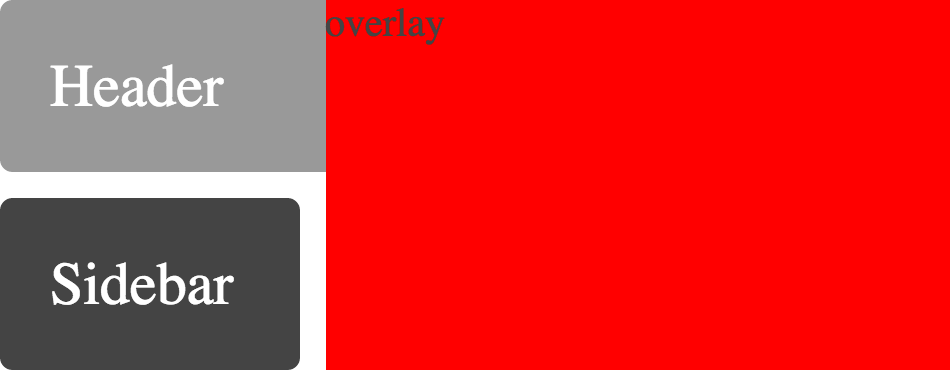
When using Named Areas implicit named lines are automatically created.
Using Order
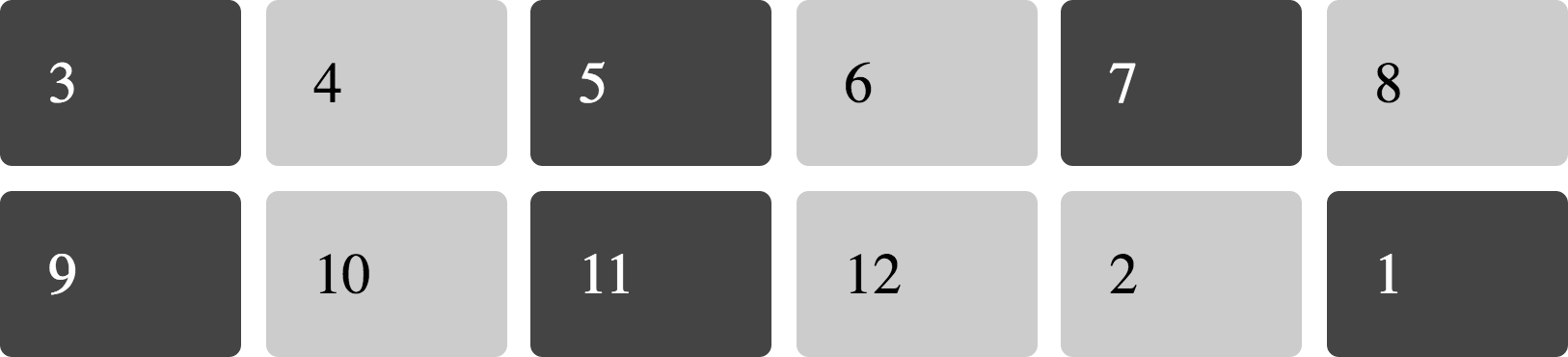
Grid supports the order property also found in Flexbox.
Box alignment align-items
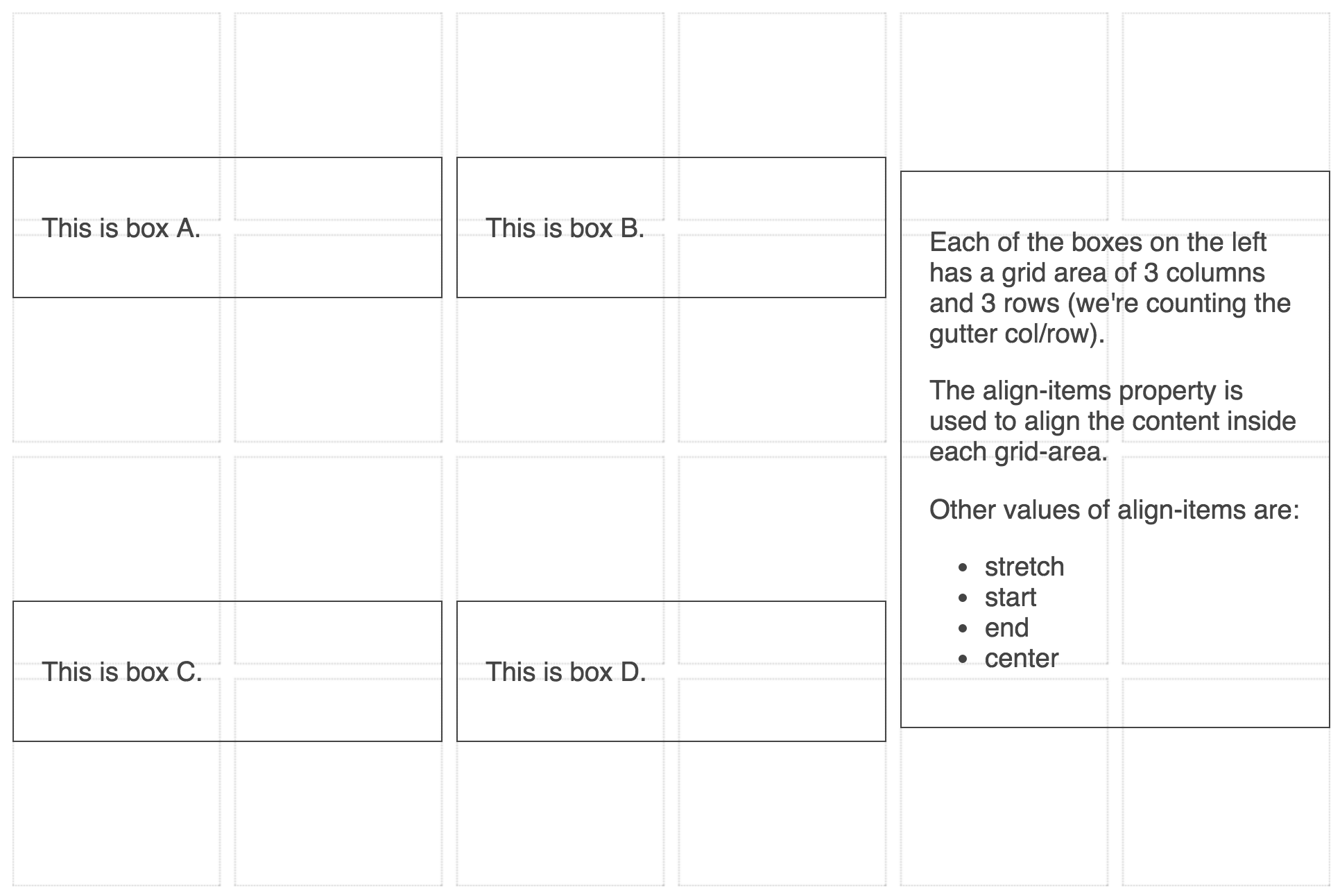
Using the box alignment property align-items
Box alignment justify-items
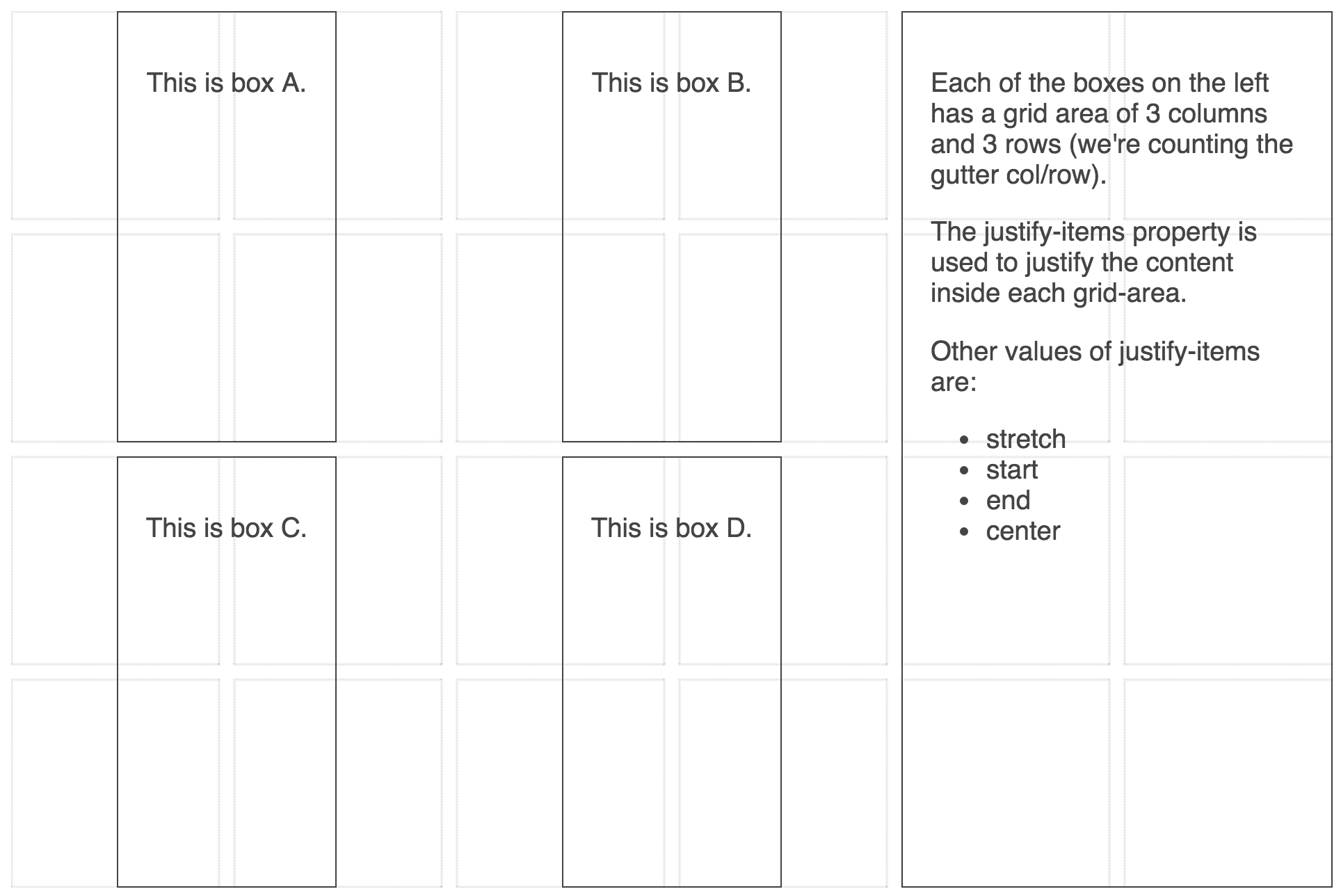
Using the box alignment property justify-items
Box alignment align-self
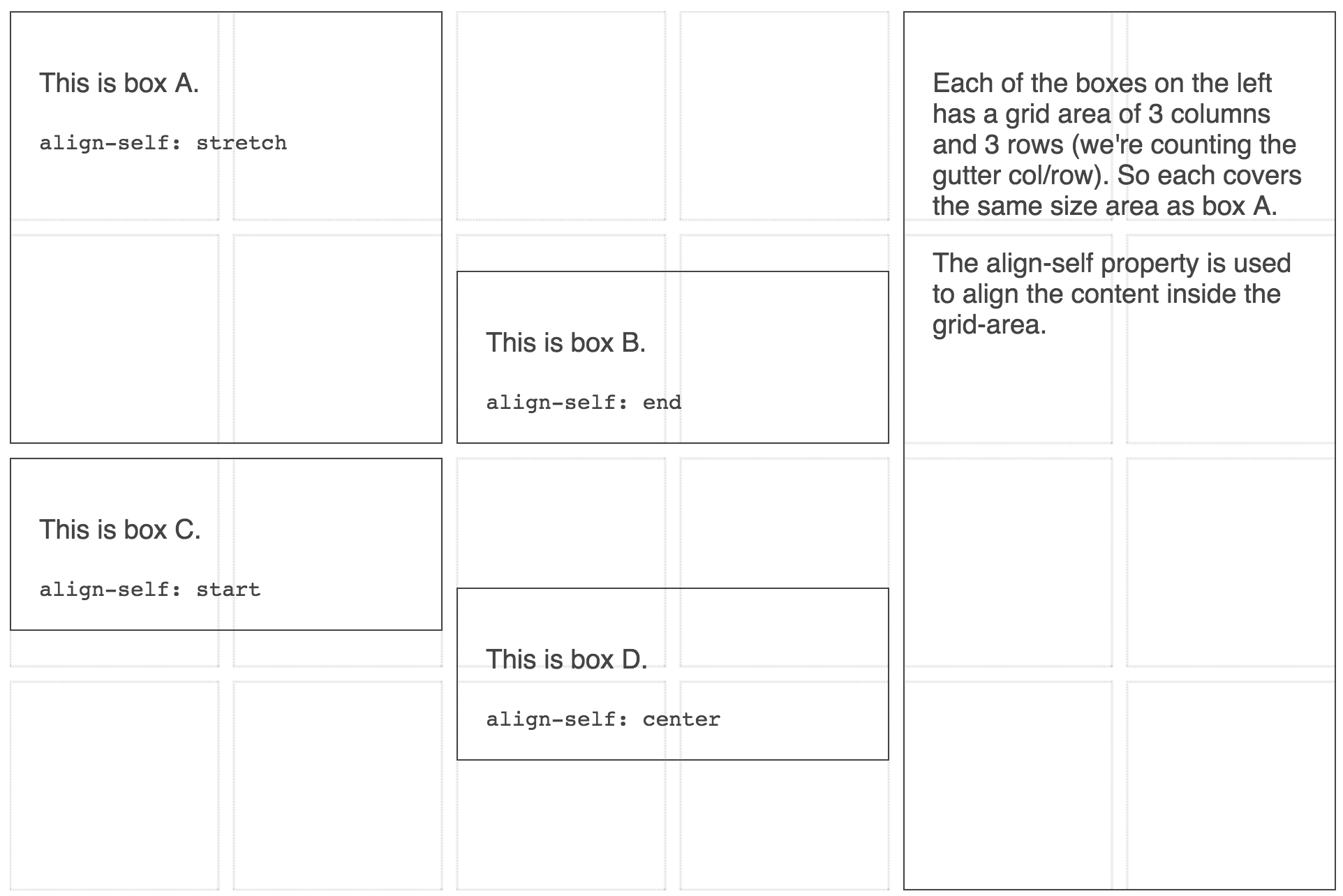
Using the box alignment property align-self
Box alignment justify-self
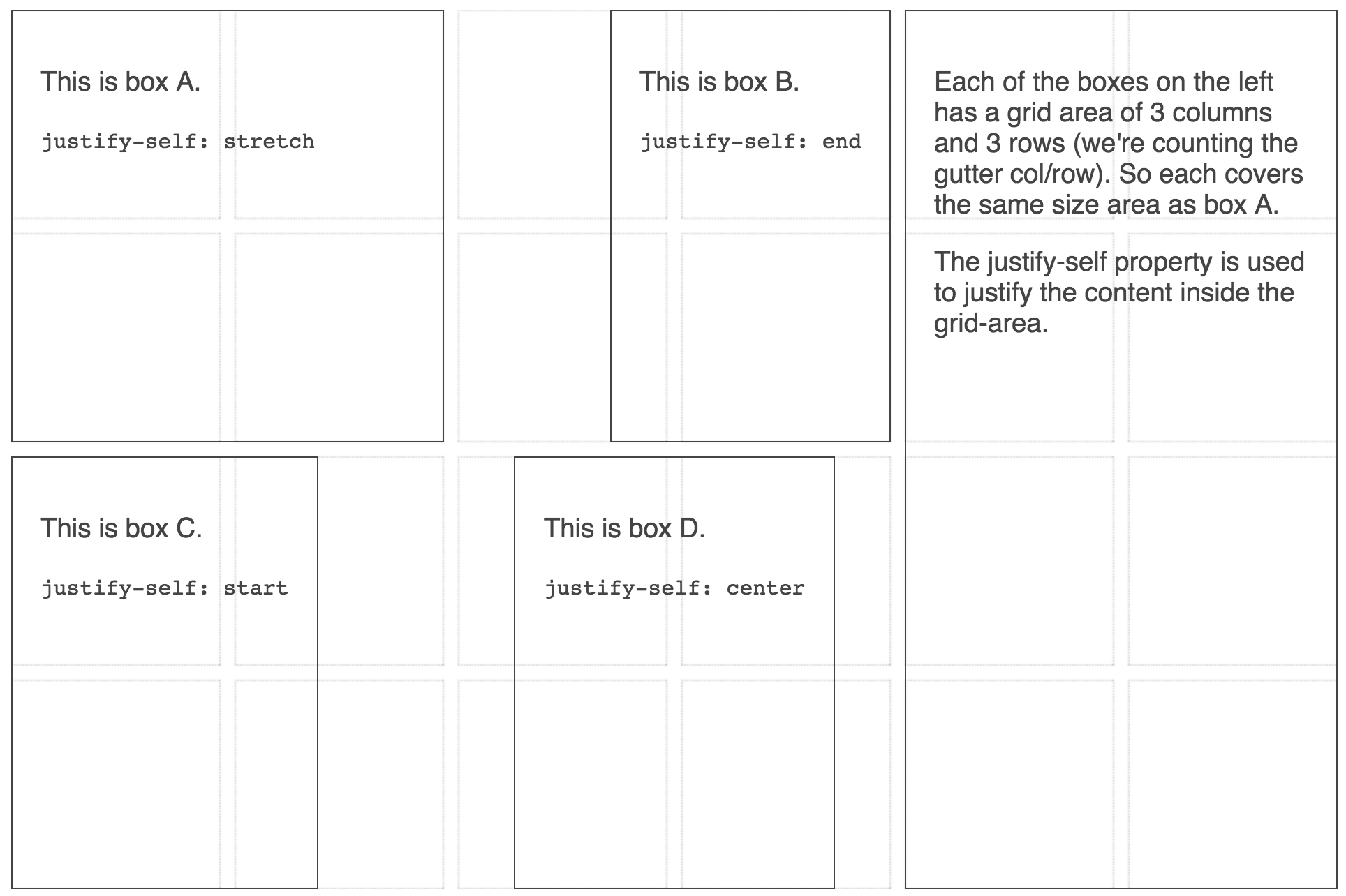
Using the box alignment property justify-self
minmax() in auto-fill repeating tracks
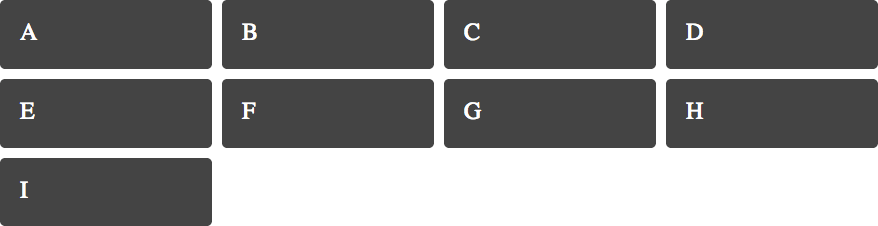
A grid that contains as many 200 pixel column tracks as will fit into the container with the remaining space shared equally between the columns.
minmax() and spanning columns and rows
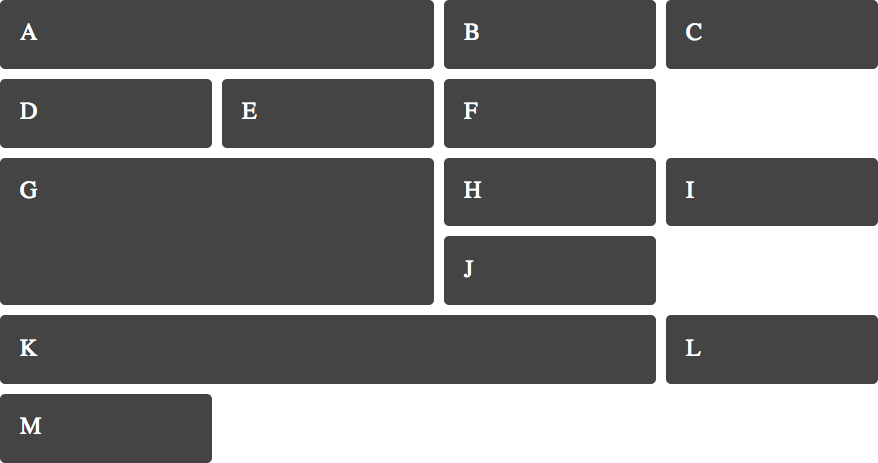
A grid that contains as many 200 pixel column tracks as will fit into the container with the remaining space shared equally between the columns.
The auto-fill keyword with named grid lines
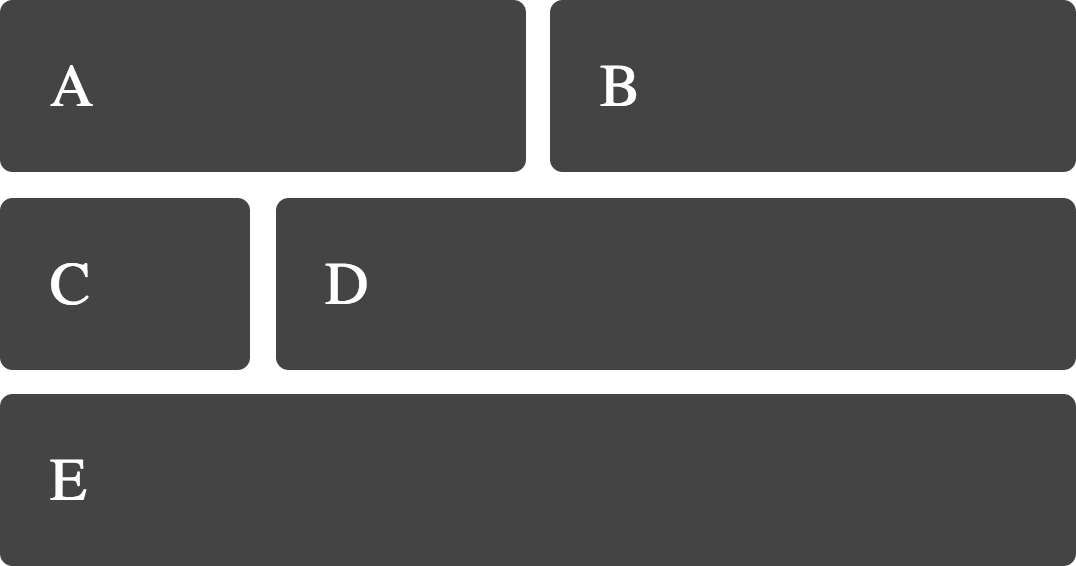
An auto-fill grid, positioning items using named lines and span.
A simple minmax example

Using minmax() to make the first column stretch after placing all three column tracks
Aligning the Grid
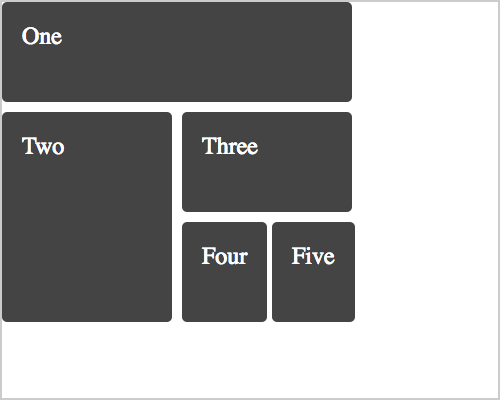
The total size of the tracks is smaller than the size of the grid container.
Aligning the grid with space-around and space-between
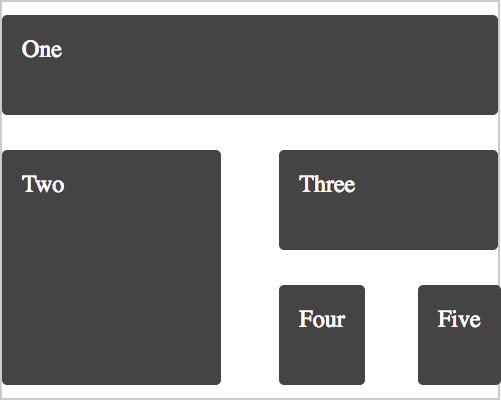
Using space-around and space-between may make grid areas and gutters larger than anticipated.
Multiple tracks in a track-list with auto-fill
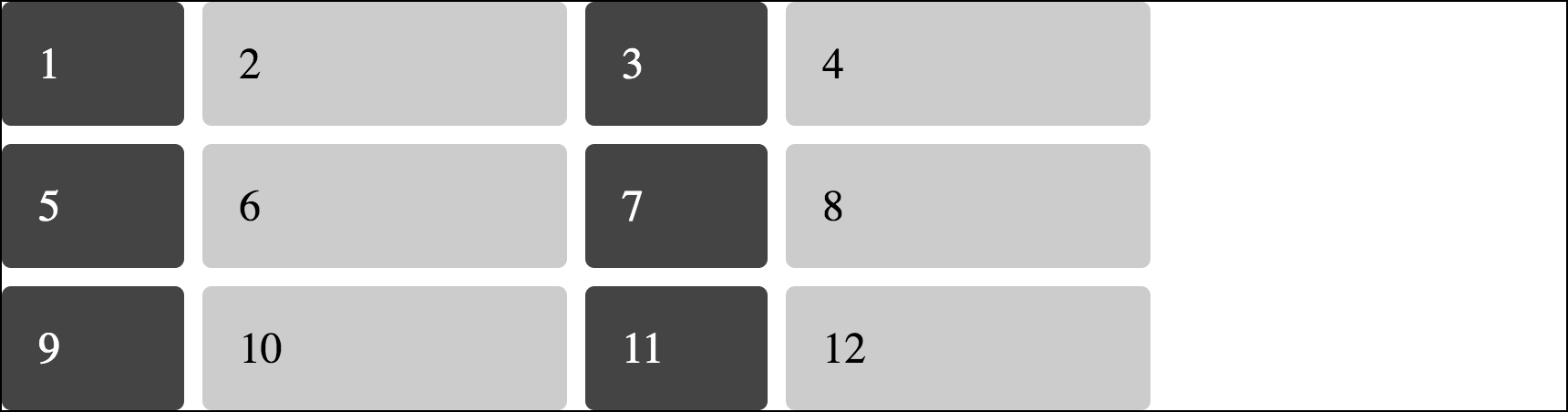
The repeat syntax can take a track-list rather than a single value.
Multiple tracks in a track-list with auto-fill and minmax()
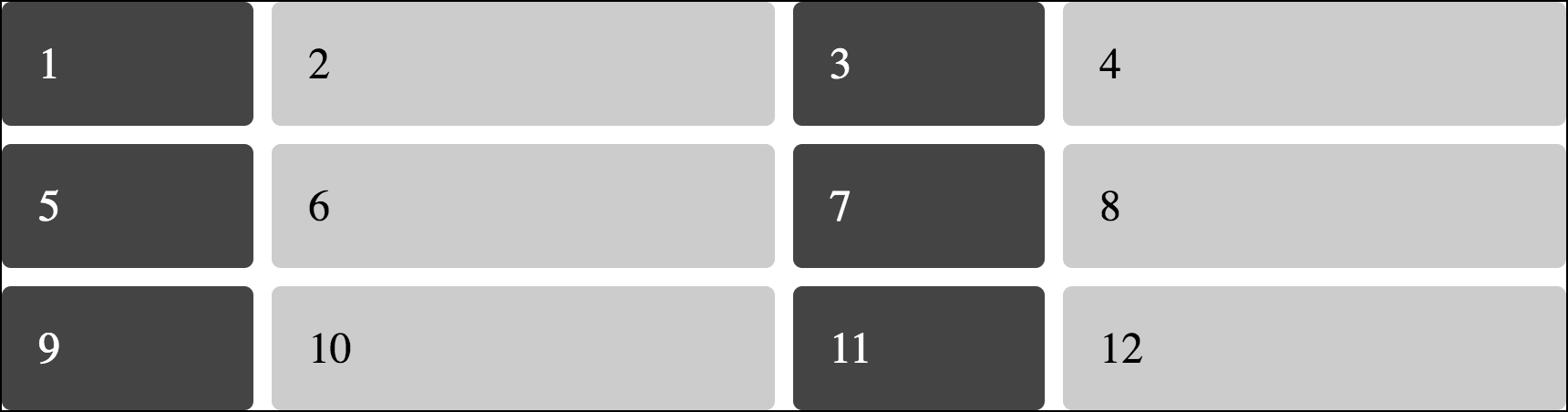
Using minmax() to create tracks that grow proportionally with multiple track listings.
Percentage based grids and gaps
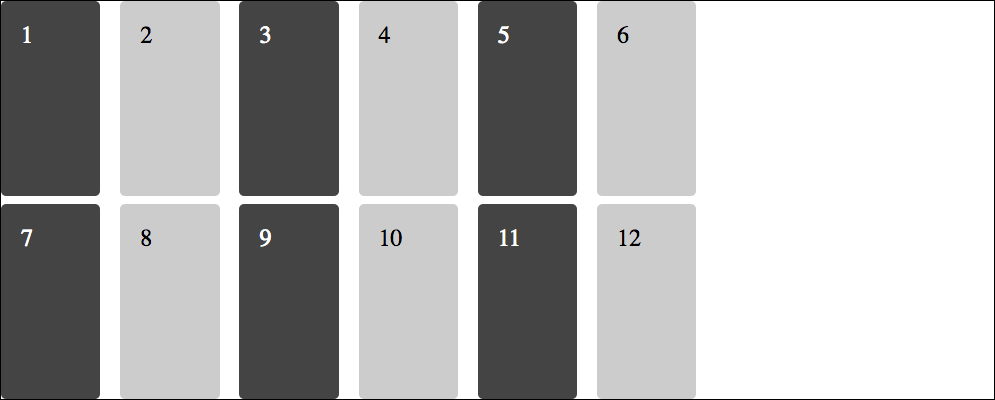
You can create grids using percentage values for tracks and gaps.
auto-fill vs. auto-fit

An example to demonstrate the difference between the auto-fill and auto-fit keywords in repeat notation
Subgrid on columns and rows
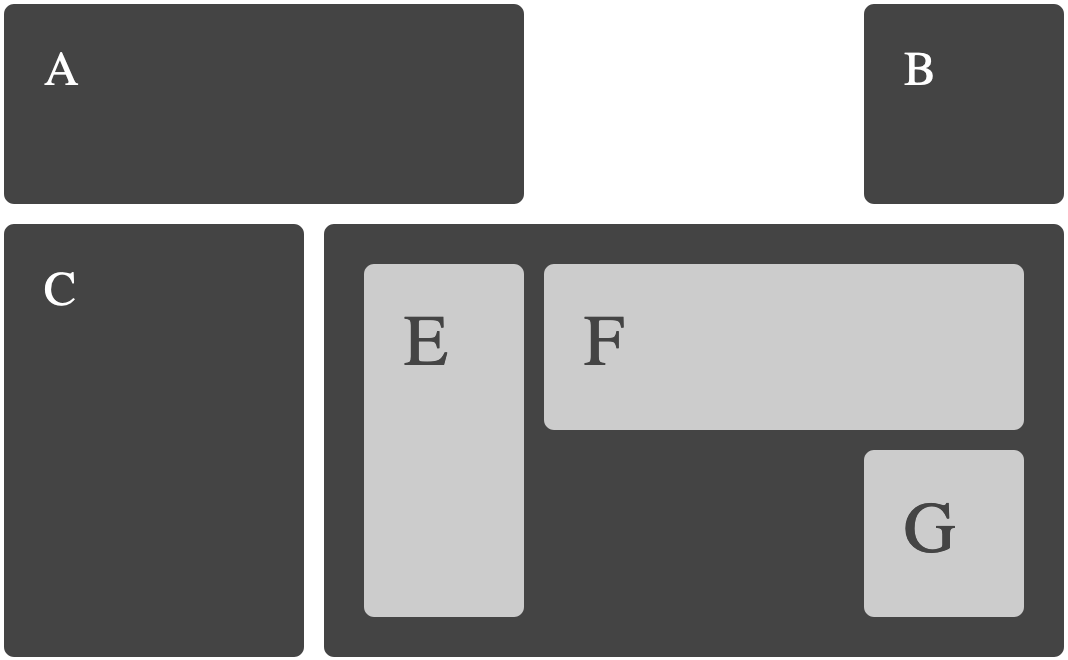
The subgrid value is used for grid-template-columns and grid-template-rows
Subgrid on columns, implicit grid rows
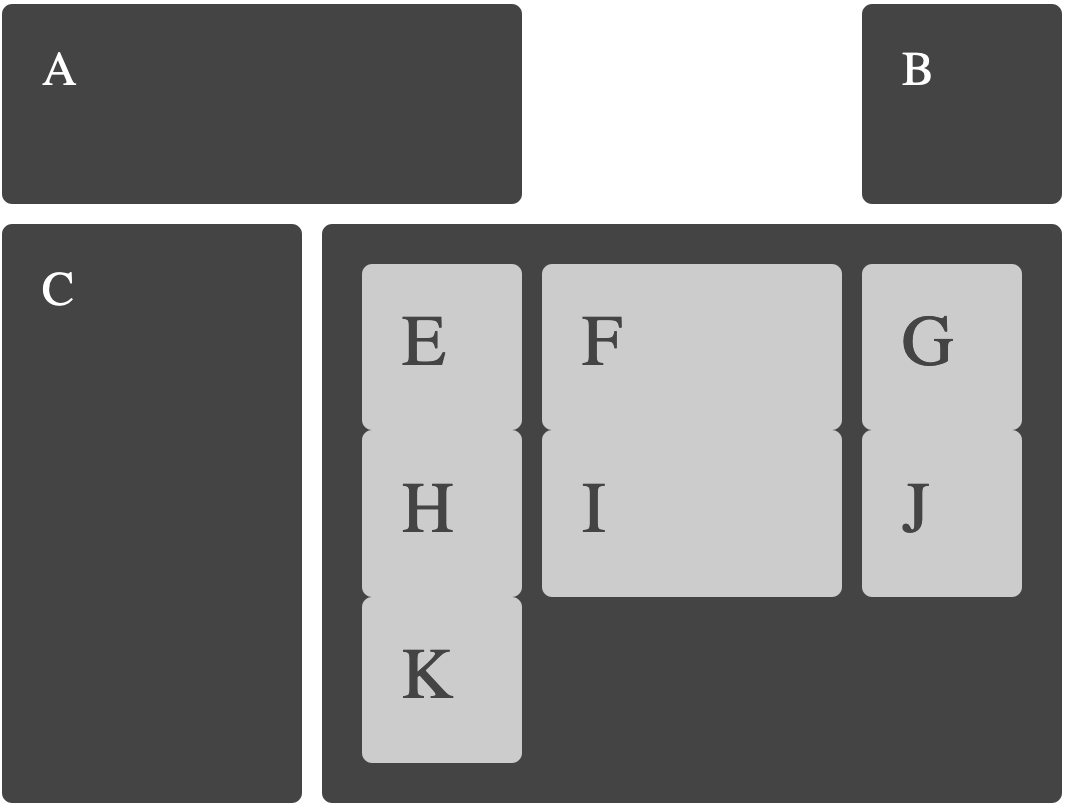
The subgrid value is used for grid-template-columns. The rows are created as an implicit grid.
Subgrid on rows, defined column tracks
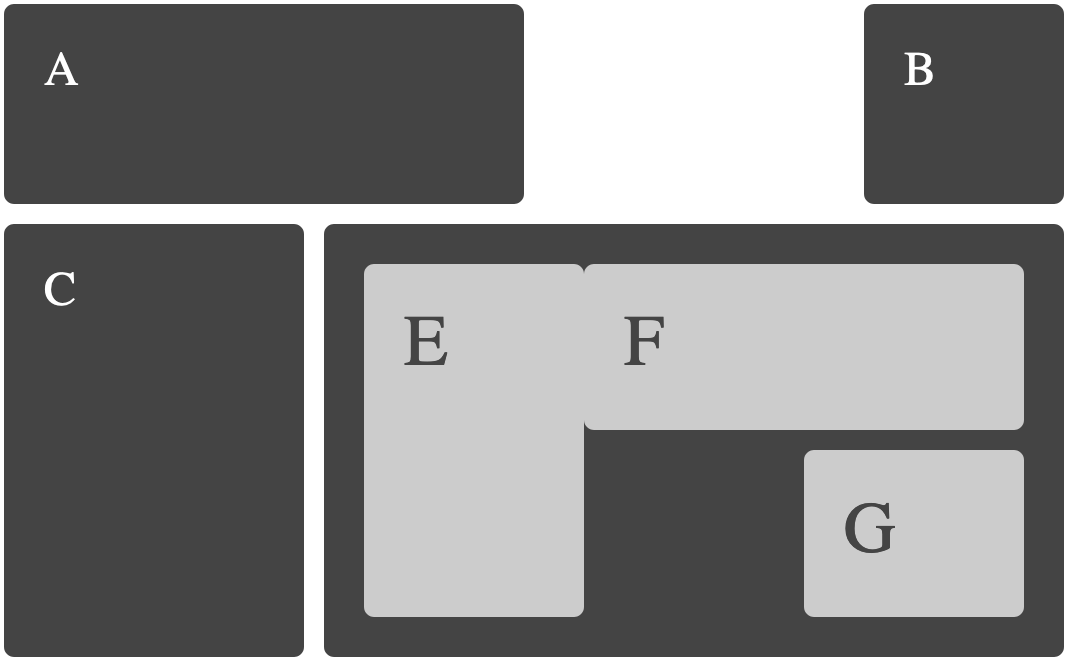
The subgrid value is used for grid-template-rows. The columns are created as a normal track listing.
The subgrid can override the gap on the parent
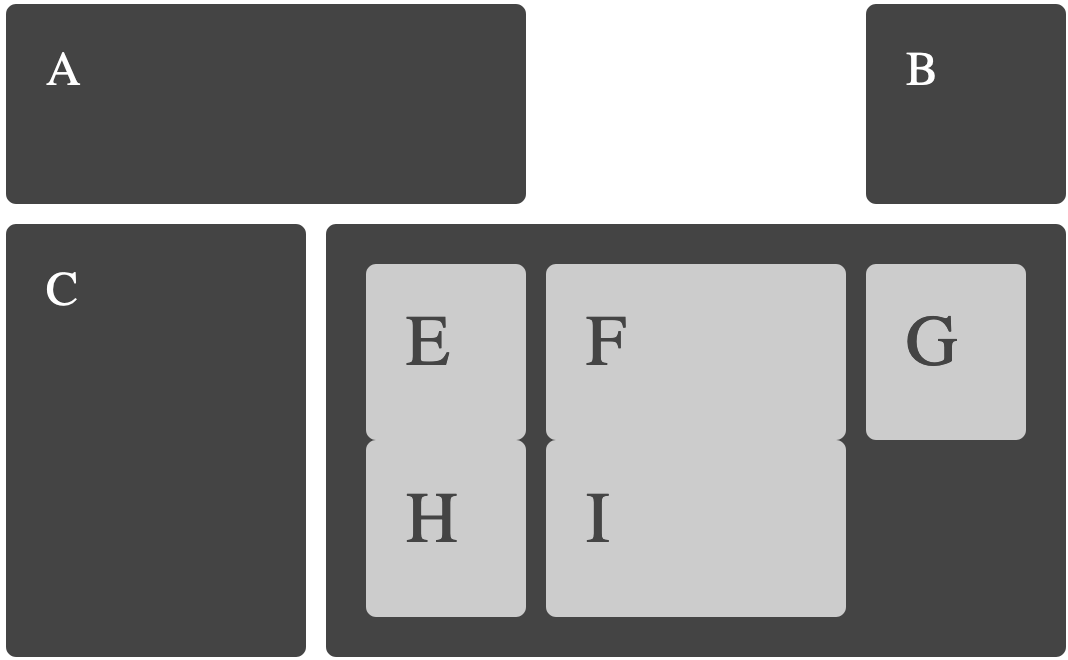
The subgrid inherits the gap of the parent but it can be changed in the subgrid.
No implicit grid in subgridded dimension
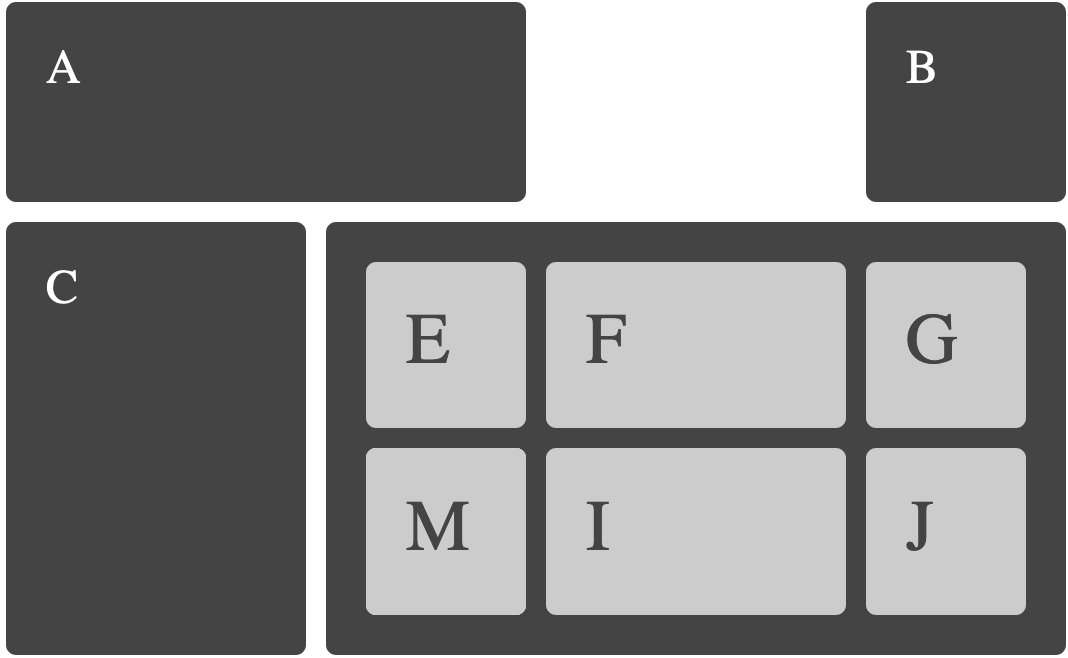
Additional items will be forced into the last row of the subgrid
Line names on the parent are passed into the subgrid
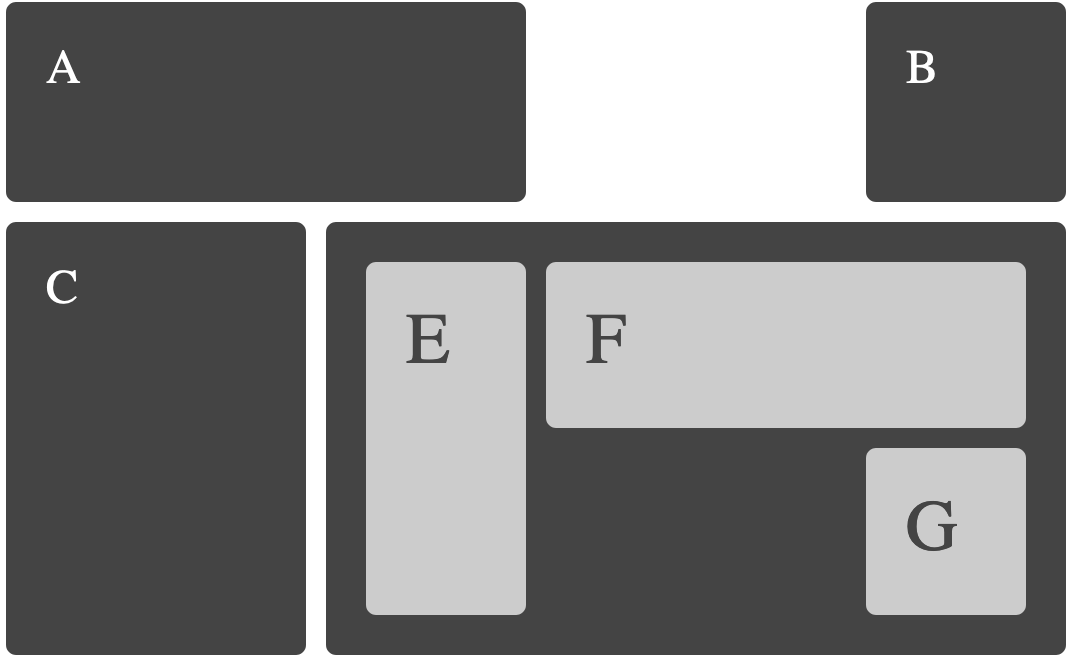
If you define line names on the parent, these are passed into the subgrid and can be used to position things.
Line names on the child are added to those from the parent
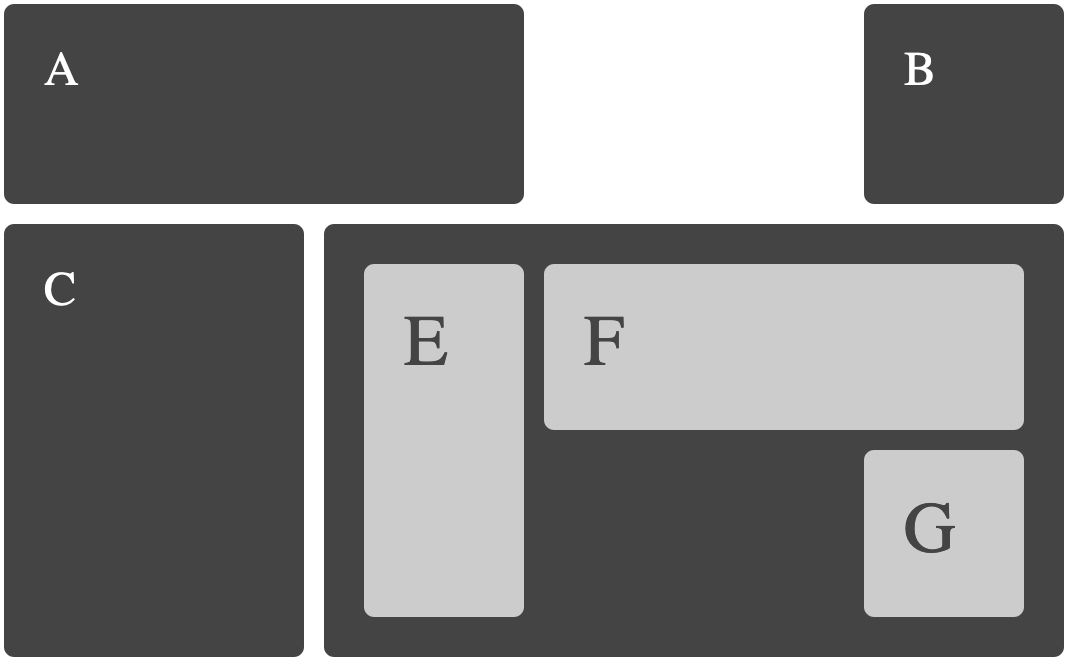
If you define line names on the parent, these are passed into the subgrid and can be used to position things.
Padding is honored on the subgrid
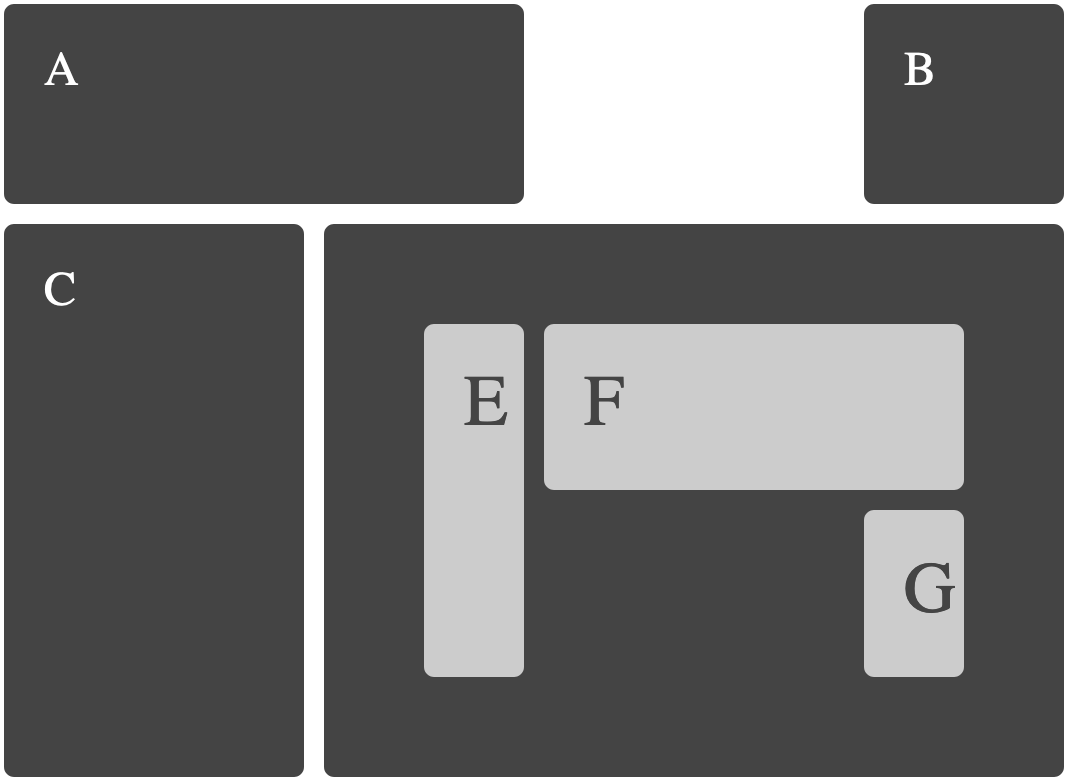
Subgrids can have their own padding which will be deducted from the first and/or last tracks.
Margin is honored on the subgrid
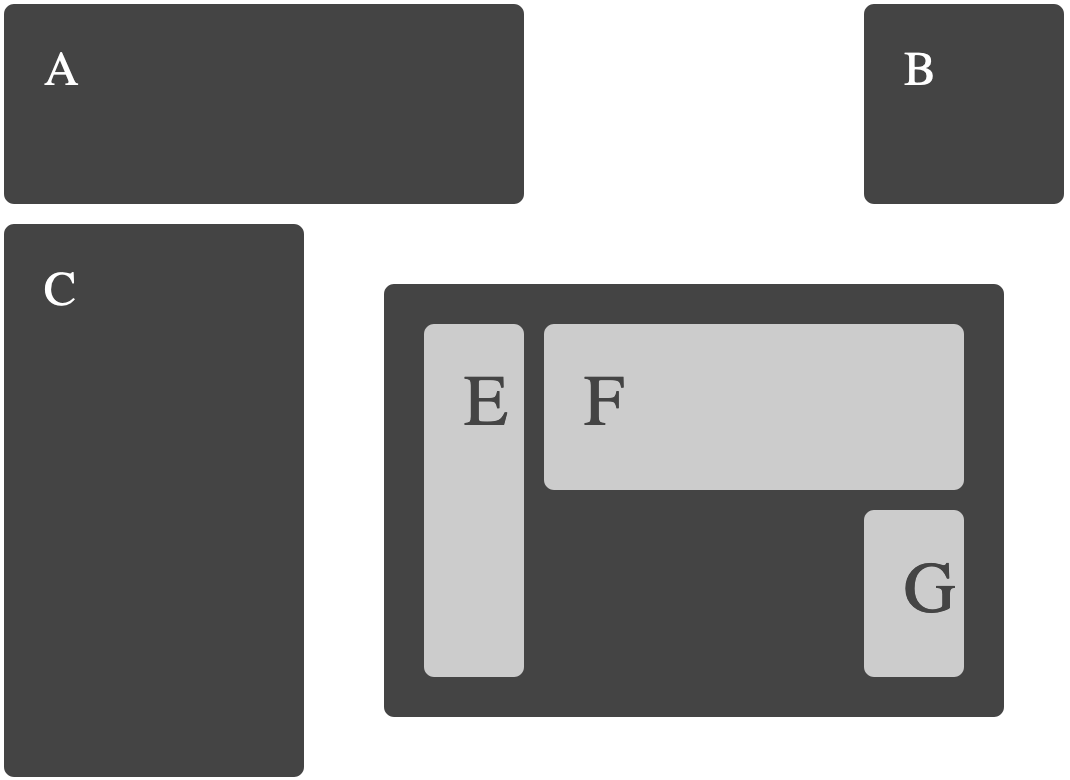
Subgrids can have their own margin which will be deducted from the first and/or last tracks.
Source: https://gridbyexample.com/examples/
0 Response to "Easy and Simple Css Grid Fr Tutorials"
Post a Comment